News
Events
About us
Contact
Imprint and data privacy
Press
Navigation einblenden
For start-ups
Business idea development
Developing and protecting ideas
Business plan counselling
AC² Business Plan Competition
Funding
Science Network
Finding partners
Investor Consulting
For business enterprises
Innovation consulting
Science network
Investor consulting
Finding locations
Finding partners
Corporate services
For the region
Technology Region Aachen
AGIT in the Aachen region
Finding locations
Structural change
Cross-border cooperations
Digital Aachen region
AC²-Innovationspreis Region Aachen
Technology Centre
ZBMT Centre for Bio-Medical Technology (Zentrum für Bio-Medizintechnik)
Technology Centres in the Aachen region
Agit
News
Events
About us
Contact
Imprint and data privacy
Press
For start-ups
Business idea development
Developing and protecting ideas
Business plan counselling
AC² Business Plan Competition
Funding
Science Network
Finding partners
Investor Consulting
For business enterprises
Innovation consulting
Science network
Investor consulting
Finding locations
Finding partners
Corporate services
For the region
Technology Region Aachen
AGIT in the Aachen region
Finding locations
Structural change
Cross-border cooperations
Digital Aachen region
AC²-Innovationspreis Region Aachen
Technology Centre
ZBMT Centre for Bio-Medical Technology (Zentrum für Bio-Medizintechnik)
Start-ups & enterprises in the ZBMT
Technology Centres in the Aachen region
Agit
News
Events
About us
Our team
History
Memberships and participations
Contact
Imprint and data privacy
Press
Zurück
gisTRA
TheLocator
Downloads
Events
Apr.
25.
15:00 | "Hallo Nachbar" bei ITFT - Industrie Transport
Jun.
13.
15:00 | "Hallo Nachbar" bei INTEWA Ingenieur Gesellschaft für Energie und Wassertechnik GmbH
Sep.
19.
00:00 | digitalSUMMIT Aachen mit Auszeichnung digitalPIONEER 2024
News
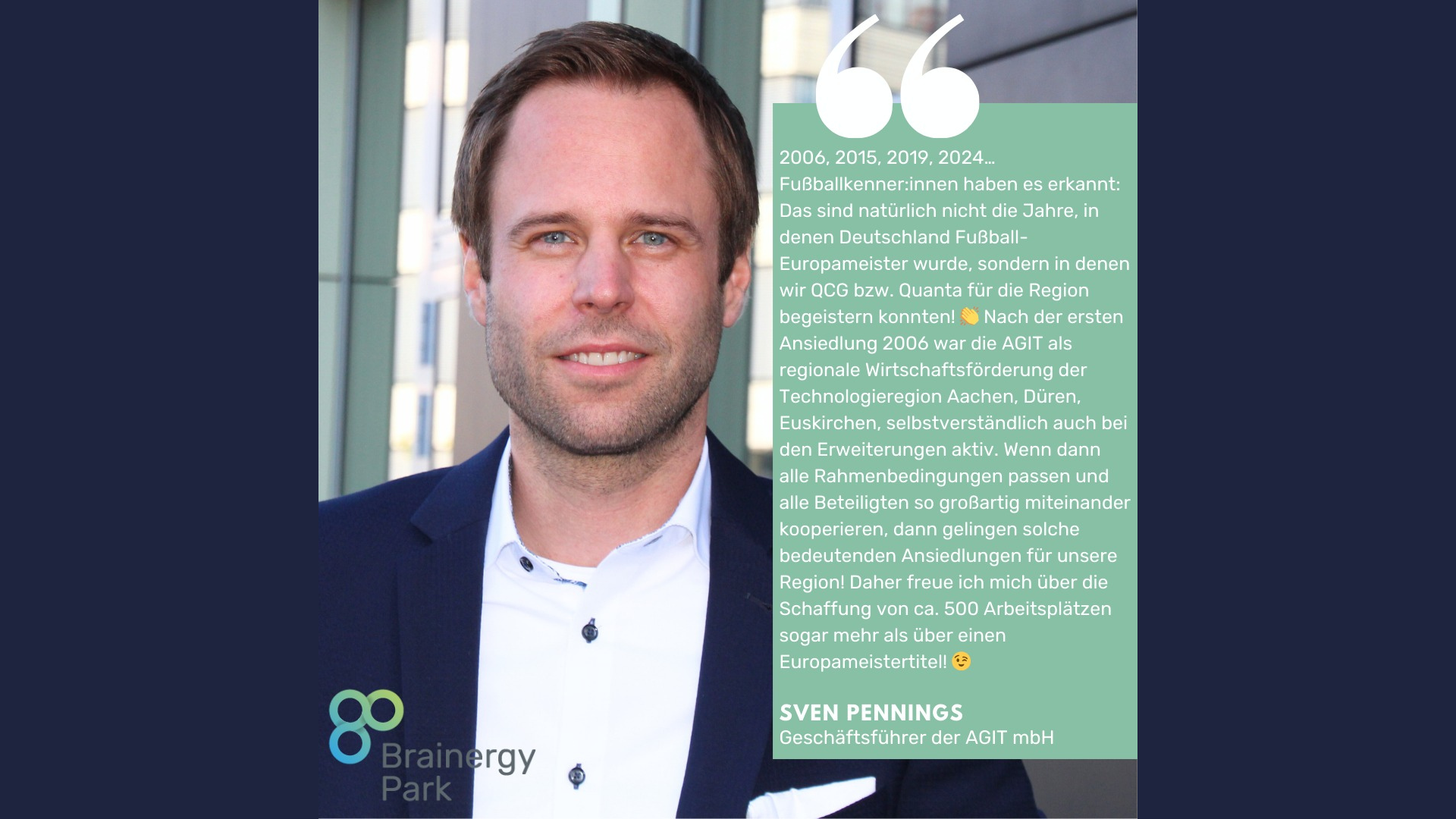
AGIT freut sich über Ansiedlung der QCG Computer GmbH im Brainergy Park Jülich
Die Ansiedlung der QCG…
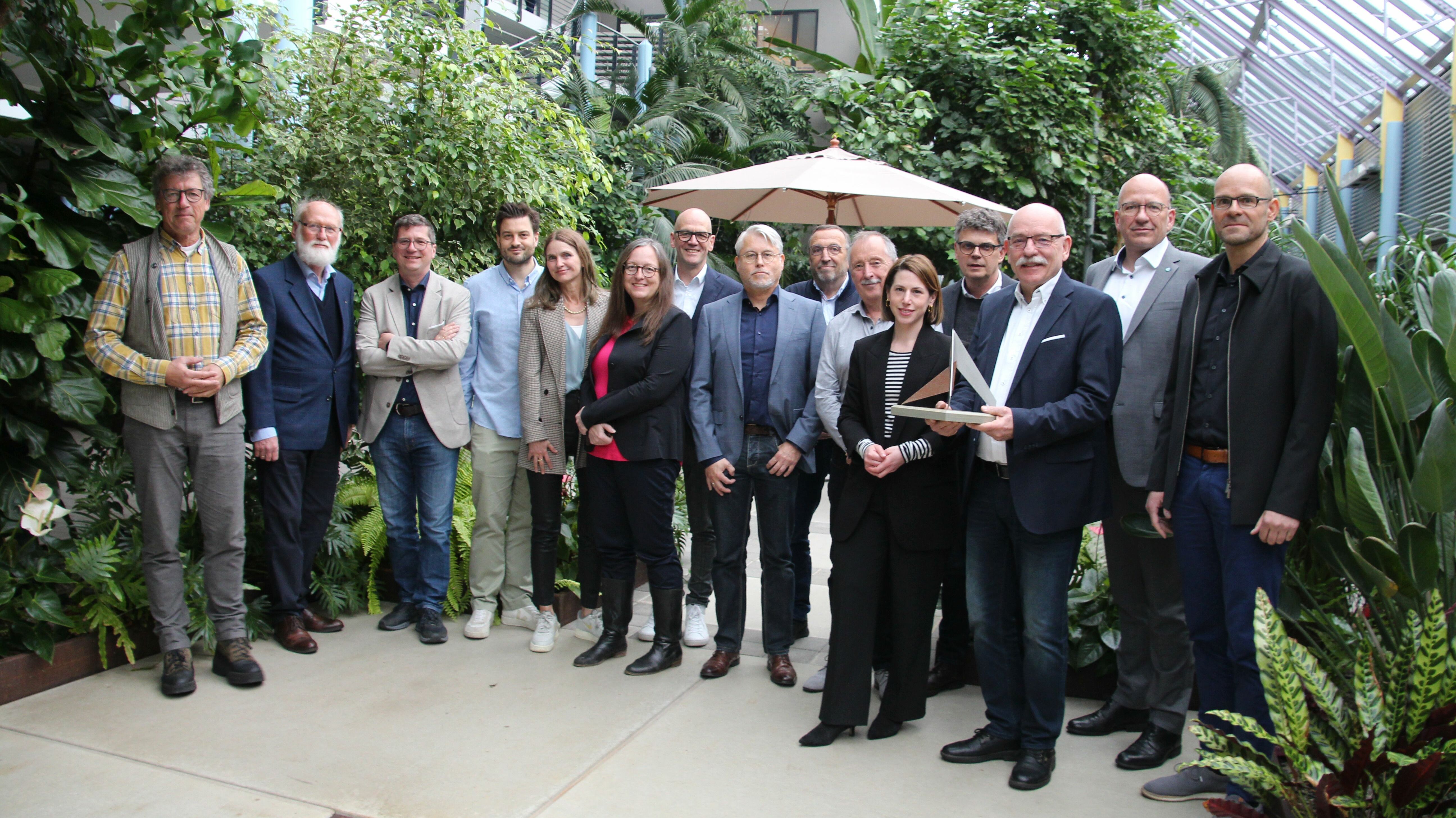
PM 03/24 - AC²-Innovationspreis Region Aachen 2024: Jury gibt fünf Kandidaten…
Region Aachen, 16. April 2024…
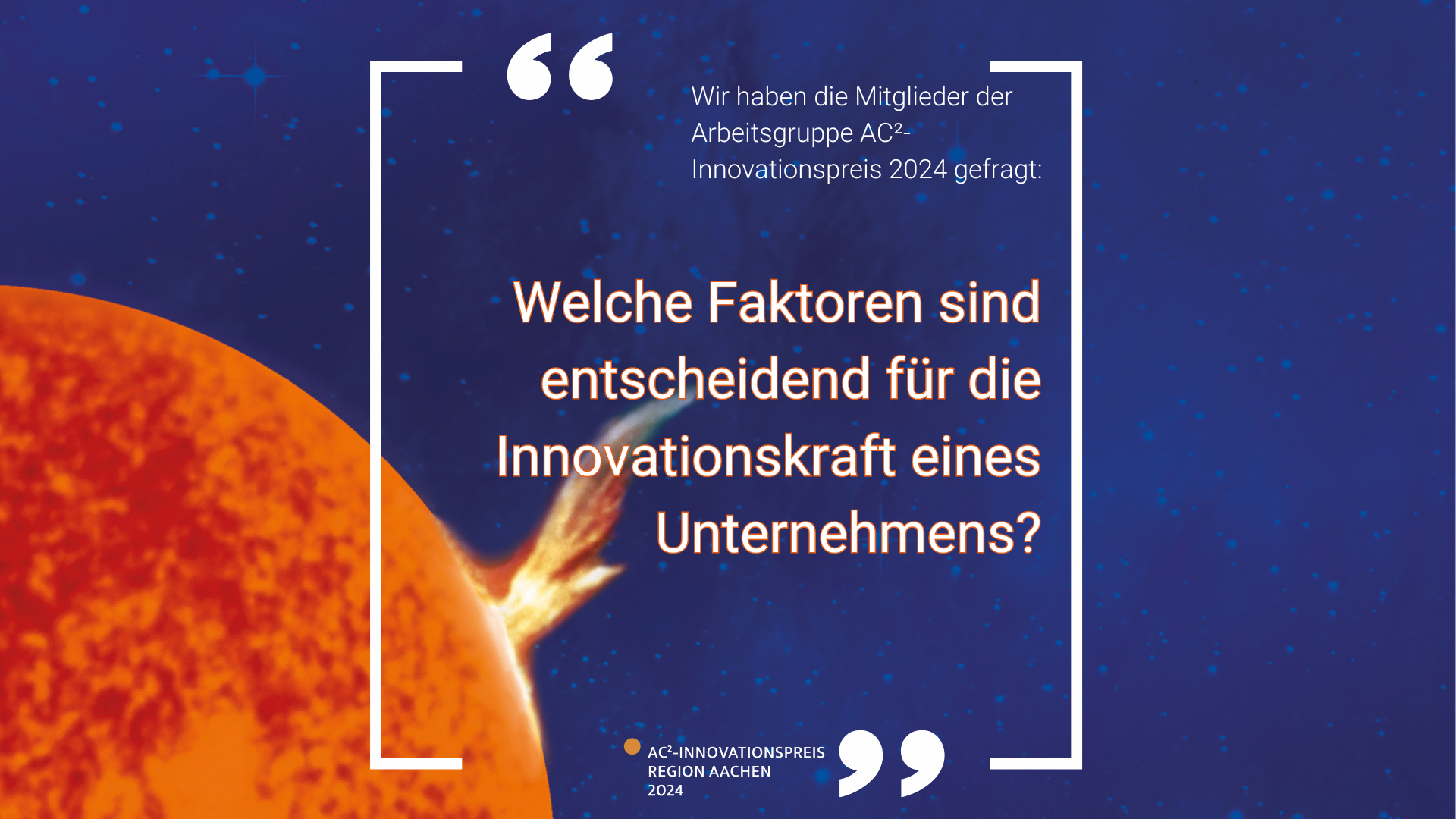
Welche Faktoren sind entscheidend für die Innovationskraft eines Unternehmens?
PM 02/24 - Auszeichnung digitalPIONEER geht in die nächste Runde: Digitale…
Follow us Facebook
www.facebook.com/AGIT.TechnologieregionAachen
or visit our Youtube-Channel:
www.youtube.com/AGITmbh